Protecting Yourself, Your Property, and Your Trees
Tree limb removal might seem like a straightforward task, but it carries real risks if not done correctly. From falling branches to unstable ladders and hidden electrical hazards, what looks like a simple trim can quickly become dangerous. That’s why following tree limb removal safety guidelines is essential for every homeowner. Proper planning, the right tools, and respect for the job’s complexity make all the difference between a quick cleanup and a serious accident. Safe tree limb removal not only protects people and property but also ensures that trees stay healthy and continue to thrive.
Before starting any removal, it’s crucial to assess the situation carefully. Understanding which limbs need to come down, how large they are, and where they’ll fall can prevent costly mistakes. Homeowners should check for nearby power lines, weak branches overhead, and signs of decay that might affect stability. Using sharp, well-maintained tools such as pruning saws or pole trimmers allows for clean cuts that heal faster and reduce the risk of damage to the tree. Wearing protective gear—gloves, goggles, a hard hat, and sturdy boots—adds another layer of safety that should never be overlooked.
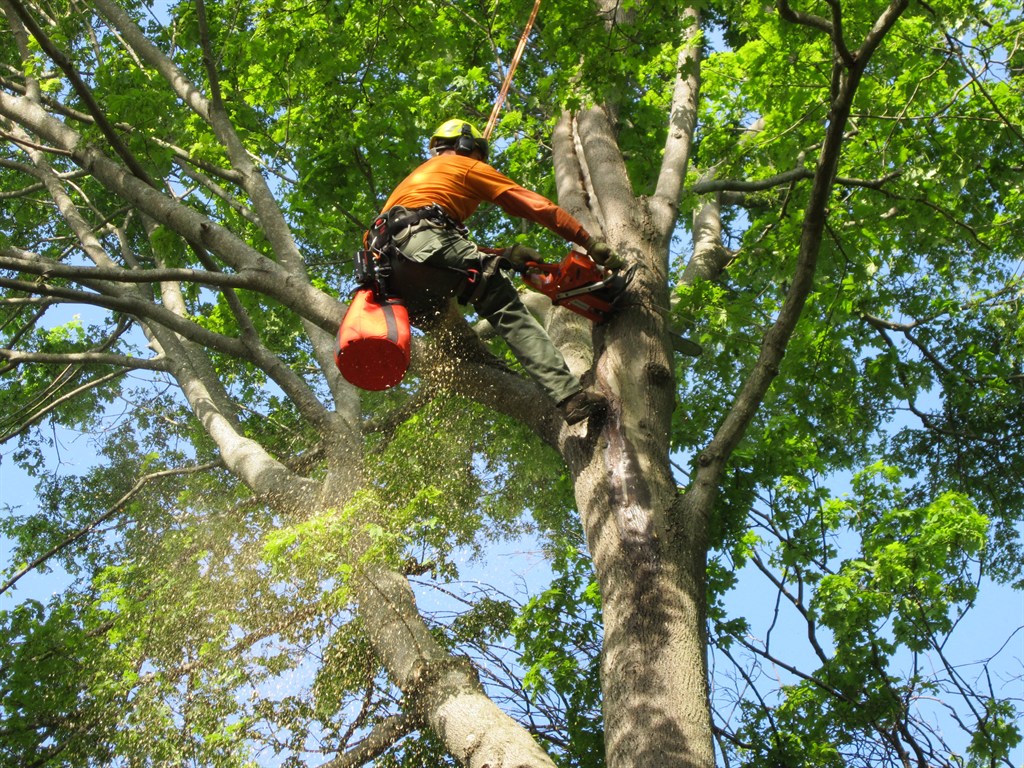
Ladder safety is one of the most commonly ignored yet most important parts of limb removal. A ladder must be stable, positioned on level ground, and, ideally, supported by another person. Cutting branches above shoulder height increases risk significantly, which is why professional tree services use harnesses and lift equipment for taller work. If a branch is too thick, heavy, or awkwardly positioned, calling a certified arborist is the safest and smartest option. Professionals are trained to manage complex removals while preventing injury and preserving the health of the tree.
Good technique also matters for long-term tree care. Making cuts too close to the trunk can damage the protective bark collar, while leaving long stubs invites disease. The goal is to create smooth, strategic cuts that help the tree recover quickly. Afterward, cleaning the area and inspecting the tree for additional weak points ensures that the work is complete and future risks are minimized.
Safe tree limb removal is about more than immediate results—it’s about maintaining balance between safety, beauty, and sustainability. By following proper guidelines or relying on trained experts when needed, homeowners can protect themselves while keeping their trees strong and healthy for years to come.
…